
Types of Mice: A Complete Guide to Common Species
Nov 18th 2026
Key Takeaways
- The most common types of mice that may infest your home include house mice, deer mice, and white-footed mice.
- Each breed has a unique life cycle and different food preferences, but they have similar habits, including nocturnal activity and hiding places.
- The best way to prevent mice infestations is by keeping your home clean, dry, and clear of clutter.
Mice often enter homes in search of food and shelter. While many think these nocturnal animals look cute, they can cause significant issues for homeowners, including damage to the wiring and structure. Mice can also eat through your food and spread disease among your pets and children.
Oftentimes, mouse identification can help you ensure targeted pest control. It can be tough to identify a mouse from the split-second glimpse you get when it runs across the kitchen floor, but DIY Pest Warehouse is here to help. Take a look at our list of types of mice to discover the most common mouse species that may infest your home.
Top Types of Mice That May Infest Your Home
There are three different mouse species that are considered to be major pests throughout the United States: the house mouse, white-footed mouse, and deer mouse.
1. House Mouse
These types of mice are active around your house year-round. Once they get inside, you could see them any time! While they prefer burrowing into dark, cozy corners, they are capable of climbing and can easily get into your pantry. Their favorite food is cereal, and they can eat up to 0.1 ounce per day. While they don’t need additional water to survive, they may drink up to 0.1 fluid ounces per day.
Characteristics:
- Size: 2.76 – 3.74” long
- Weight: 0.42 – 1.06 oz.
- Coloring: Brown/Gray
- Lifecycle: Three-week gestation, 7-8 litters per year, 4-16 young per litter
You may spot house mice in closets, pantries, and behind appliances in the kitchen.
2. White-Footed Mouse
The white-footed mouse typically infests homes that are located near forests, brushlands, and agricultural lands. They like to build their nests in concealed areas, and they only come out at night. The preferred food for these types of mice includes fruit, seeds, nuts, and small insects. One way to distinguish this common mouse species from others is by their fear response: they drum their front feet when startled!
Characteristics:
- Size: 3.50 – 4.00” long
- Weight: 0.70 – 1.10 oz.
- Coloring: Brown or reddish body with white underbelly and feet
- Lifecycle: Three- to four-week gestation, 2-4 litters per year, 2-9 young per litter
These types of mice are most commonly found in North and South Carolina, Georgia, Maine, Alabama, Montana, Colorado, and Arizona.
3. Deer Mouse
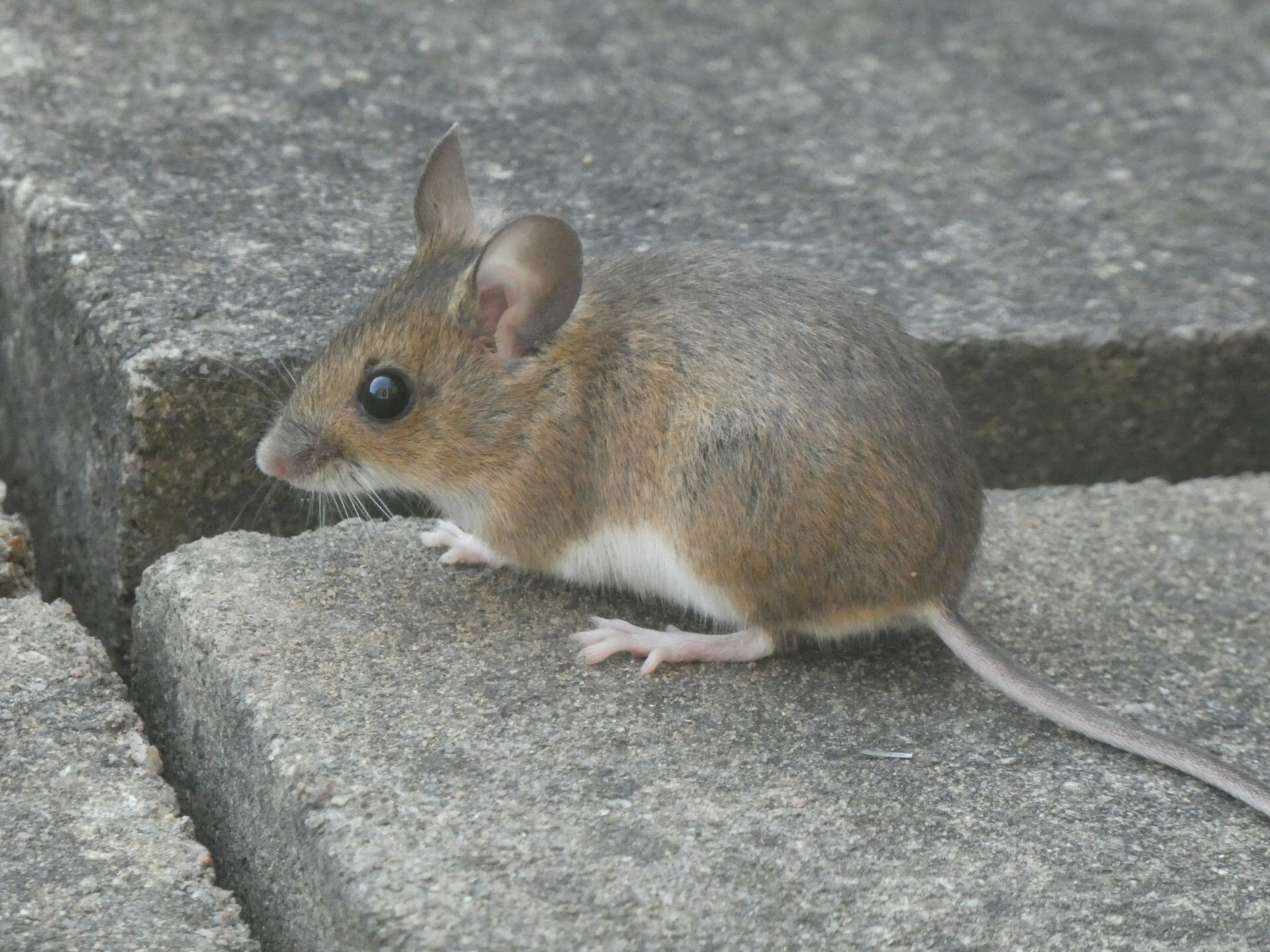
Deer mice, also known as field mice, usually prefer to live in wooded areas. However, in some circumstances, they find sheds, outbuildings, and homes the ideal places to seek warmth during the winter. These types of mice are particularly destructive to wood structures and carry a high risk of Hantavirus. Their favorite foods are nuts, seeds, berries, and small insects.
Characteristics:
- Size: 5.00 – 8.00” long (including tail)
- Weight: 0.40 – 1.23 oz.
- Coloring: Pale grey body with reddish on top and white underbelly
- Lifecycle: Three-week gestation, 2-4 litters per year, 3-5 young per litter
Deer mice are great climbers and can typically be found in attics and small spaces in the upper floors.
Dealing with Different Mouse Species
Since each species has unique habits and lifecycles, identification is essential for targeted infestation control. House mice, for instance, require constant vigilance with residual sprays year-round to prevent unwanted access, while other types of mice only require intervention during the fall and winter when they’re seeking warmth.
Signs of an Infestation
While you may be experiencing different mouse species, infestations typically look similar. Some common signs include:
- Droppings around kitchen cabinets and drawers
- Gnaw marks on food packaging
- Unusual damage to electrical wiring or wood
- Scratching sounds at night
- Nests made from insulation, shredded fabric, and paper
To deal with an infestation, your first step is to identify the type of mice in your home. Next, explore DIY pest control options and cleanliness best practices to deter rodents.
Top Rodent Eradication Products
Mouse traps are the most popular form of rodent control, with different types of traps to address your environment and preferences. Some of the most popular rodent control products include:
- Bait Stations: Contain rodenticides that can kill on contact or provide a delayed response so mice bring the poison back to the nest.
- Soft Bait: For use in snap traps or near cracks and crevices. This type of bait shouldn’t be used around children and pets.
- Snap Traps: Reusable traps designed for indoor use. While they can be difficult to set up, they offer an ethical solution and easy disposal.
Find More Answers at DIY Pest Warehouse
DIY Pest Warehouse offers expert solutions for eradicating many different mouse species, like glue boards and electric traps. Our experts are happy to help direct you to the best products to target the type of mice infesting your home. Reach out to our team to discuss your options.
In some cases, we may recommend that you contact a professional exterminator. There are some signs that indicate you may need a bit more support. If you’ve already conducted a round of rodent pest control and it hasn’t worked, find a local exterminator to assist you with the most common mice species.