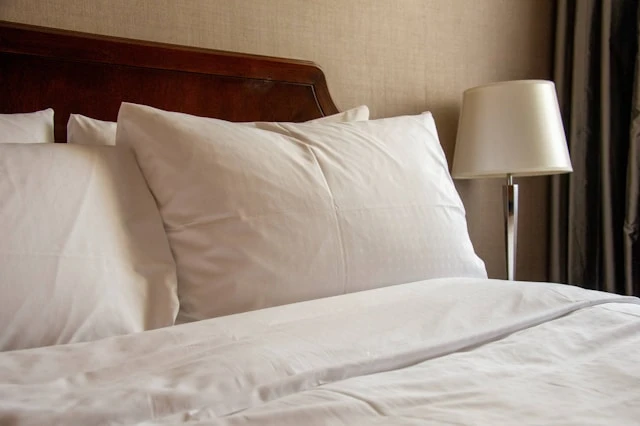
How to Check for Bed Bugs
Jul 23rd 2026
Key Takeaways
- Check mattress seams, box springs, bed frames, and nearby furniture.
- Look for live bugs, shed skins, eggs, dark spots, and blood stains.
- Use a flashlight and a thin card to inspect narrow cracks.
- Do not move infested bedding or furniture into another room.
- Begin treatment as soon as you confirm bed bug activity.
Bed bugs are small, flat insects that hide close to where people sleep. Finding them early can make the problem easier to control. Knowing how to check for bed bugs can also help you avoid carrying them into other rooms.
A good inspection takes more than a quick look at the sheets. You must check seams, cracks, furniture, and other small hiding places. Use the steps below to perform a careful inspection.
What Are the First Signs of Bedbugs?
What are the first signs of bedbugs? Common warning signs include itchy bites, small blood spots on sheets, and dark stains near mattress seams. However, bites alone do not prove that bed bugs are present.
A complete bed bug check should focus on physical evidence. Look for:
- Live, reddish-brown bugs about the size of an apple seed
- Tiny white eggs or empty eggshells
- Pale shed skins
- Dark brown or black waste spots
- Small rust-colored stains on sheets
- A sweet or musty smell during a large infestation
How to Check Bed for Bed Bugs Step by Step

1. Gather Your Inspection Tools
Before learning how to check for bed bugs, gather a bright flashlight, gloves, a magnifying glass, and a thin plastic card. Keep a sealable bag or container nearby for any bug you find.
2. Inspect the Sheets & Bedding
Remove sheets, blankets, pillowcases, and mattress covers one item at a time. Look closely for blood stains, dark spots, skins, eggs, or moving insects. Place the bedding directly into a sealed bag instead of carrying it through the home.
3. Check the Mattress
Use the flashlight to inspect the top and bottom of the mattress. Pay close attention to seams, piping, labels, handles, folds, and buttons. Slide the plastic card along each seam to expose insects hiding inside.
This is one of the most important parts of learning how to check for bed bugs. Bed bugs prefer tight spaces where their bodies can touch nearby surfaces.
4. Examine the Box Spring & Bed Frame
Turn the box spring over and check the fabric underneath. Inspect staples, plastic corner guards, screw holes, joints, slats, and cracks in the bed frame. Check behind the headboard, especially if it is attached to a wall.
5. Search Nearby Furniture
Your bed bug check should extend several feet beyond the bed. Inspect nightstands, dressers, chairs, baseboards, curtains, picture frames, and electrical outlet covers. Do not place tools inside an outlet.
What to Do When You Find Bed Bugs
Do not move to another bedroom. Bed bugs may follow and spread through the home. Do not throw out the mattress unless it cannot be treated or protected with a proper encasement.
Wash bedding and clothing as directed for the fabric. Use the hottest dryer setting the items can safely handle. Vacuum visible bugs, eggs, and debris, then seal and discard the vacuum contents outdoors.
After you learn how to check for bed bugs, use a treatment plan that covers the mattress area, bed frame, cracks, and nearby furniture. Always follow the product label. Never apply an insecticide to mattresses, bedding, people, or pets unless the label clearly permits that use.
Professional-Grade Bed Bug Products
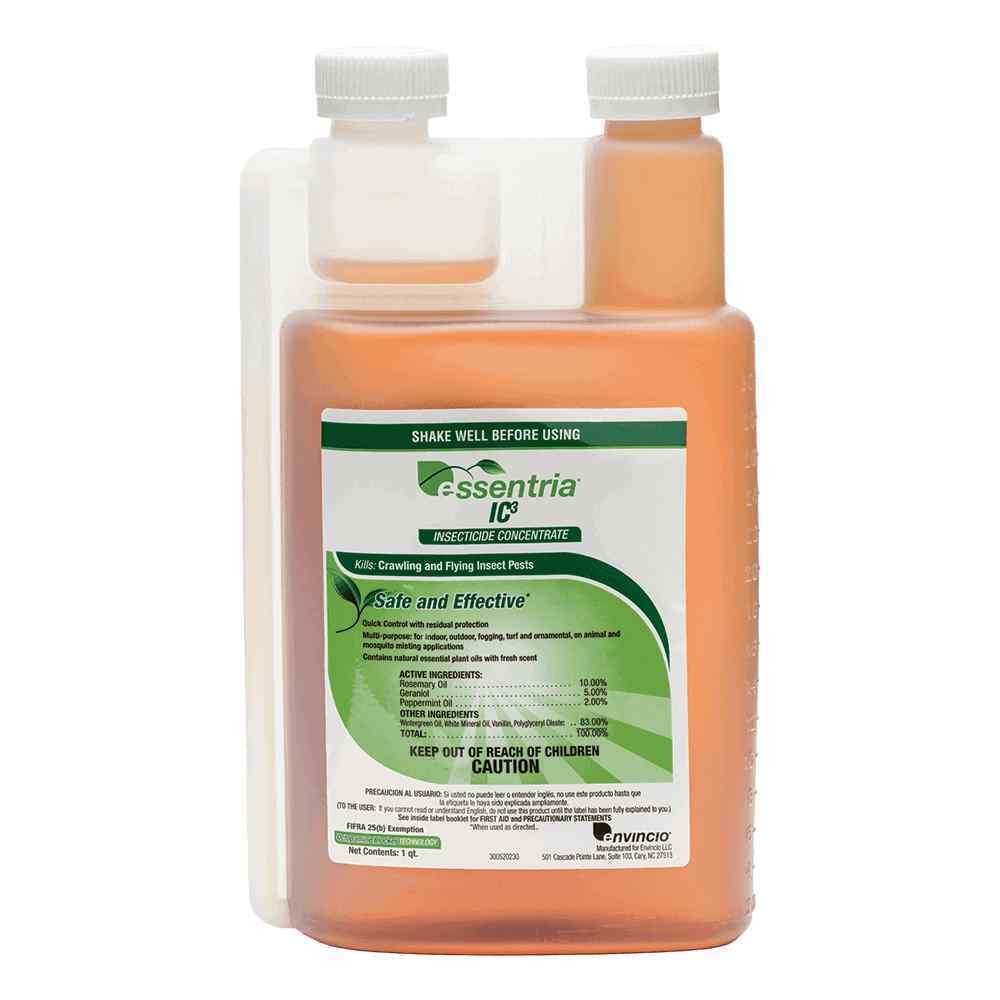
DIY Pest Warehouse carries many of the same products used by professional exterminators. Customers can shop professional-grade bed bug insecticides at affordable prices and receive product support from industry experts.
A full program may include a labeled liquid treatment, an aerosol for cracks, mattress encasements, monitoring traps, and dust for approved voids. Product choice depends on the treatment area and label instructions.
How to Prevent Bed Bugs
- Inspect hotel beds before unpacking.
- Keep luggage off beds and upholstered chairs.
- Check used furniture before bringing it home.
- Reduce clutter around sleeping areas.
- Use bed bug mattress and box spring encasements.
- Repeat your bed bug check after travel or overnight guests.
Frequently Asked Questions
Can you see bed bugs with the naked eye?
Yes. Adult bed bugs are visible without a magnifying glass. Younger bugs and eggs are much smaller and harder to spot.
Where do bed bugs usually hide?
They often hide in mattress seams, box springs, headboards, bed frames, furniture joints, baseboards, and other narrow cracks near sleeping areas.
How often should you check for bed bugs?
Check whenever you notice possible signs. Repeat the inspection after travel, after buying used furniture, and during treatment. Knowing how to check for bed bugs makes regular monitoring faster and easier.
Stop Bugs from Bugging You
Early detection gives you a better chance of stopping an infestation before it spreads. Inspect the full bed, check nearby furniture, and begin a label-approved treatment plan when you find evidence.
Shop DIY Pest Warehouse for affordable, professional-grade pest control solutions, fast free shipping on all orders in the U.S., and expert product support.