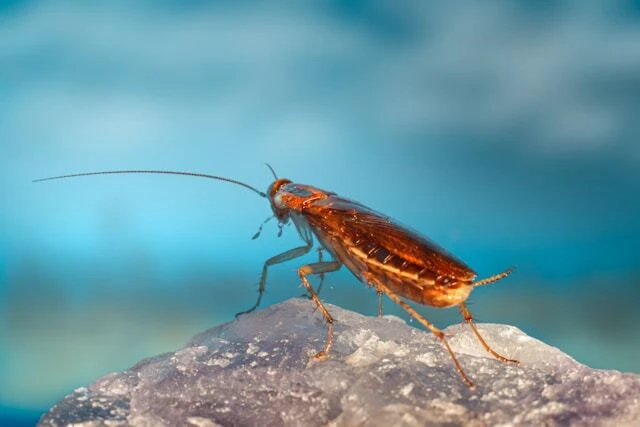
How to Get Rid of Cockroaches
Since cockroaches date back about 320 million years, it’s safe to assume they’re here to stay. Since they’re a nearly indestructible part of our lives, we might as well learn about them and do what we can to eliminate them from our living habitat. If you want to learn more about how to get rid of cockroaches through DIY cockroach extermination, follow this cockroach guide from the experts at DIY Pest Warehouse.
Cockroach Life Cycle
Cockroaches undergo a gradual metamorphosis during their life stages. This consists of the egg, nymph, and adult stages. Nymphs have a similar appearance to adults but are smaller in size. As the nymphs mature, they will shed their exoskeletons to grow.
When you see a cockroach that is very light in color, it means it has just molted. The life cycle from the egg to the adult stage is dependent upon environmental conditions and varies with each cockroach species. Identifying the correct type of cockroach will make it easier to eliminate them.
Types of Cockroaches
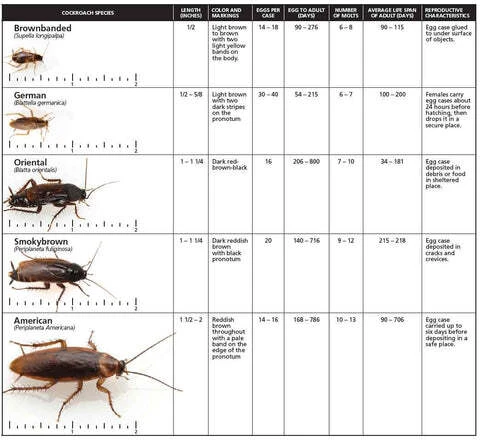
Looking at our cockroach identification chart, you can see that the most common species of cockroaches consist of the following:
- American cockroach (Periplaneta Americana)
- Brownbanded cockroach (Supella longipalpa)
- Smokybrown cockroach (Periplaneta fuliginosa)
- German cockroach (Blattella germanica)
- Oriental cockroach (Blatta orientalis)
How to get rid of cockroaches may depend on the type and size of the cockroaches. Identify the infestation in your home using our cockroach identification guide above and the DIY cockroach extermination solutions below.
Signs of An Infestation
Not sure you even have an infestation? Here are signs you might see that indicate you need to learn how to get rid of cockroaches:
- Cockroach Droppings: Depending on the cockroach size or type, these droppings may vary. They may look similar to coffee grounds from larger roaches or black pepper from smaller roaches.
- Smear Marks: Smears on your walls are also an indication of cockroach droppings. If you notice any areas with frequent smear marks, this may be an indication of where this particular infestation is spreading from.
- Eggs or Capsules: Black or brown pellets shaped like ovals are likely cockroach eggs. You can find upwards of 40 eggs in any cool, damp place. If you find eggs, they’ll likely hatch within the next two to four weeks, so immediate DIY cockroach extermination is crucial.
- Musty Odors: Cockroaches have a very distinctive scent due to the oleic acid they produce. This odor is one way that cockroaches communicate and indicates that you have multiple roaches in your space.
- Molted Skin: You may not see any live cockroaches, but you might see the molts as they move into adulthood. This shed skin is a smaller size than the fully grown cockroach and can be found scattered around your home, near food or dark spaces.
- Chew Marks: Cockroaches leave distinctive chew marks in packaging and food. Check around your pantry and pet food supplies to determine whether pests have gotten into the food.
If you notice any of these signs, your next step should be learning how to get rid of cockroaches.
Where Cockroaches Hide
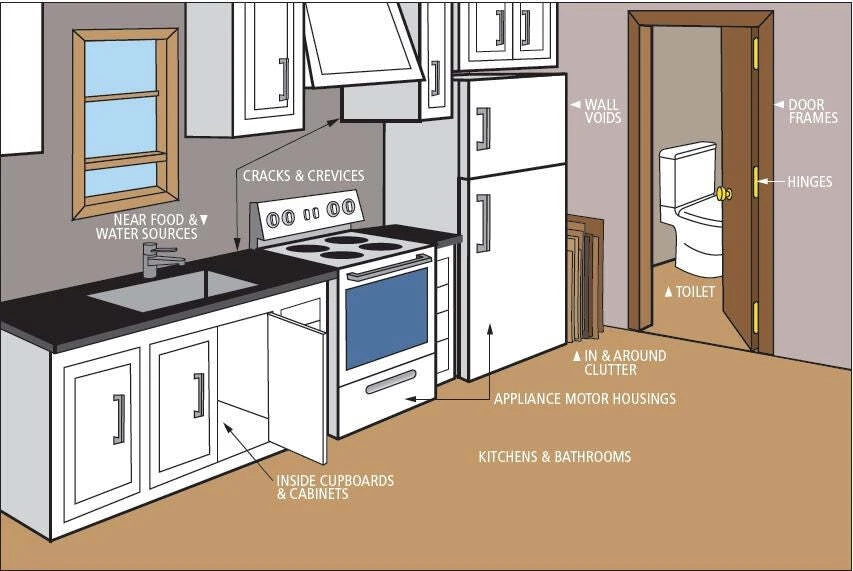
Cockroaches can usually be found in the following places within a structure:
- Areas with high humidity and free-standing water
- Dark, damp places with limited air movement (no wind gust)
- Cracks along walls
- Under sinks, refrigerators, dishwashers, and stoves
- Near the bathroom or by the bathroom sink and around toilets
- Trash containers
- In food storage areas
It is also very important to check behind objects that are on the walls, such as picture frames and paintings. Use the cockroach guide above as a checklist for your inspection.
Hazards of an Infestation
Cockroaches are a hazard to your health and should be exterminated as soon as possible. Some hazards you may encounter include:
- Sudden Allergies: Many people are allergic to a specific protein produced by cockroaches. You may experience respiratory symptoms, rashes, and a runny nose.
- Asthma Attacks: The same protein that causes allergies in some people can also trigger more frequent episodes in those who suffer from asthma.
- Contaminated Food: When cockroaches manage to chew through packaging and get into your food, they leave behind waste and saliva, leading to foodborne illness.
- Spreading Disease: Cockroaches carry many diseases, including Diarrhea, dysentery, plague, Salmonella, cholera, and leprosy.
To avoid these hazards, you must know how to get rid of cockroaches.
Eliminating Cockroaches
Sanitation is critical to how you get rid of cockroaches because exposed food and leftovers will attract them. If there are food crumbs in the area, a cockroach is more likely to eat the food than any cockroach baits you leave out. The more clutter there is in the area, the less likely baits will be effective since this will affect the cockroach’s sensory abilities. They simply cannot detect the baits to consume.
When you are ready to use cockroach gel baits and/or cockroach bait stations, our top products include:
- Aerosol Sprays: Sprays work best when combined with bait. You can spray in specific areas where cockroaches may go, like kitchens, as well as around the border of your home and around cracks.
- Insecticide Concentrates: These are ideal when you need to spray large surfaces. You mix your roach insecticide with water and spray exterior spaces around your home. Focus on windows, door frames, and cracks.
- Growth Regulators: This DIY cockroach extermination method should also be used in tandem with bait or sprays. Growth regulators prevent cockroaches from maturing, but may not kill them quickly.
- Bait: Gel baits are highly recommended indoors and in hard-to-reach areas, where sprays may not reach. Place the bait in areas where you see evidence of cockroach infestations. Use 4-5 bait stations per 100 square feet of space.
DIY Pest Warehouse recommends a multi-pronged approach for how you get rid of cockroaches. You may want to use two or three of these methods together for the most comprehensive DIY cockroach extermination solution.
Prevention & Proofing

Now that you know how to get rid of cockroaches, let’s talk about preventing them from getting in at all! Some of the best prevention and proofing best practices in our cockroach guide include:
- Clean counters, tables, and stovetops immediately after meal preparation.
- Keep food in a specific area of your house and clean up any spills right away.
- Use sealed containers for all food waste and throw out trash at regular intervals.
- Fix any leaks right away, including toilets, pipes, and roofing.
- Prioritize vent fans to reduce humidity in your home.
- Remove any clutter, like shipping boxes and packaging, from your home.
- Caulk crevices and cracks to minimize entryways.
Cockroach Guide FAQs
How long will cockroaches stay in your house?
Depending on the cockroach species, a single roach may live for up to two years. In that time, you can expect them to reproduce rapidly, leading to a full infestation of your space. If you see any signs of an infestation, don’t wait it out. Learn how to get rid of cockroaches right away.
What causes roach infestations?
Cockroaches are typically attracted to food, water, and shelter. Even a few crumbs are enough to ensure a roach’s survival for weeks. Prevent an infestation by cleaning up food, throwing away trash regularly, and fixing any leaks in your home.
How quickly do cockroaches multiply?
Cockroaches can multiply exponentially. A single female cockroach can result in thousands of roaches in as little as four months. Most females produce between 200 and 300 eggs in their lifetime. Eggs hatch in 28-day cycles and mature over the course of two or three months.
Should you squish cockroaches?
No, squishing cockroaches exposes you to multiple hazards, including allergens, food contamination, and attracting other pests. The release of oleic acid when crushed can lead other cockroaches to your location. How you get rid of cockroaches should focus on baits, aerosol insecticides, and growth inhibitors.
More Guides from DIY Pest Warehouse
If you found our cockroach guide helpful, you may want to take a look at our guides for other pests, including:
Our team even covers seasonal pests, with information about summer, spring, and winter bugs that may invade your home. Learn more about how to get rid of cockroaches and so much more from DIY Pest Warehouse today!