Cold weather does not mean pest problems disappear. As temperatures drop, many insects, rodents, and other pests look for protected places where they can find warmth, food, water, and shelter. Your home can provide all four.
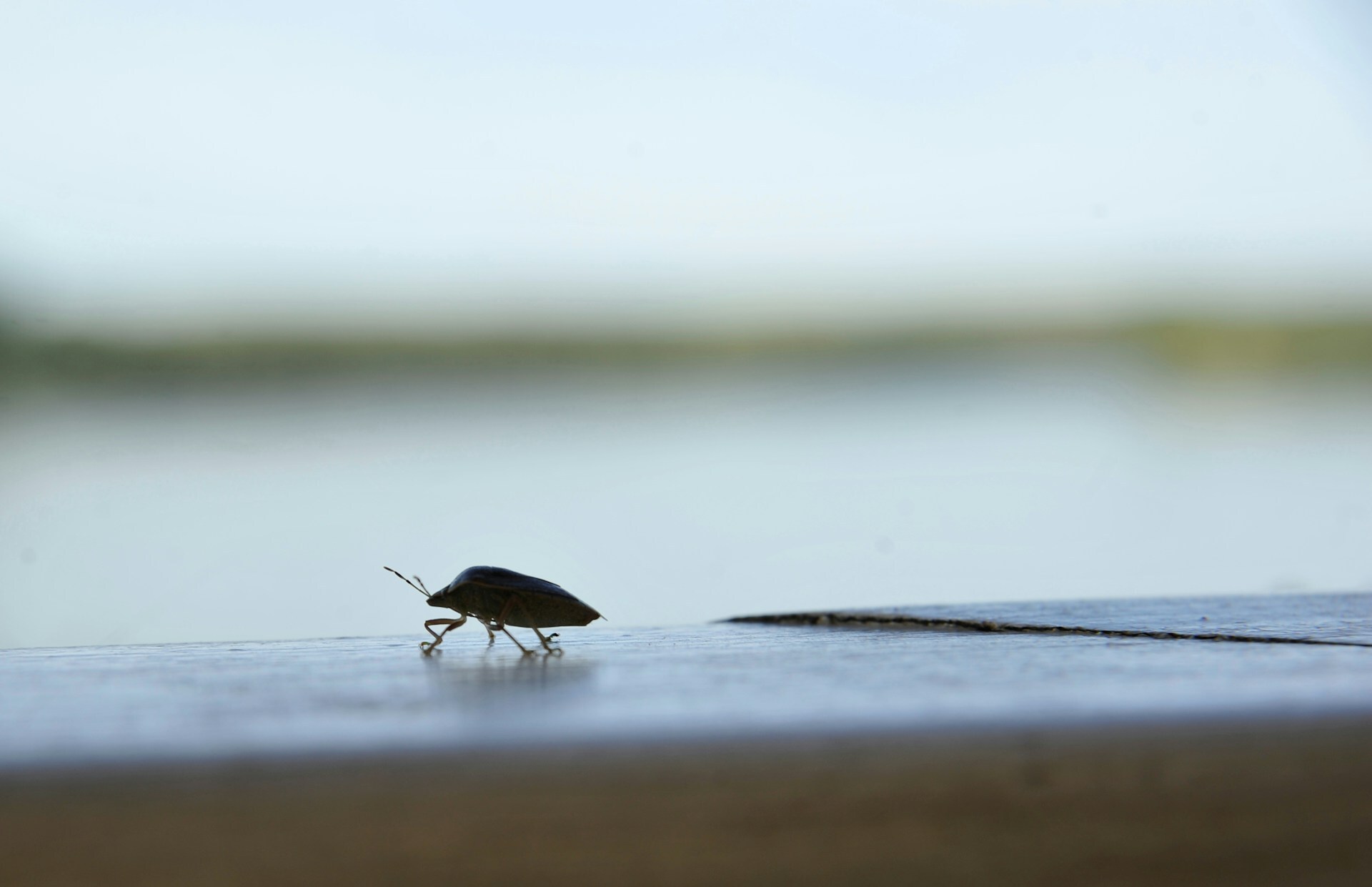
Common winter house bugs can include cockroaches, ants, spiders, stink bugs, boxelder bugs, and other insects that move indoors or hide inside walls and attics. Mice and rats can also become more noticeable during cold weather as they search for shelter.
DIY Pest Warehouse makes winter pest control easier with professional-grade products, practical pest guides, and product support. Many of these are the same products used by professional exterminators, but you can use them yourself when the product label allows it.
What Are the Most Common Winter Bugs?
Different pests survive winter in different ways. Some become inactive outdoors. Others hide in protected areas or move into buildings. Certain winter house bugs may enter during fall and stay hidden until warm indoor temperatures or sunny winter days make them active again.
 |
 |
|
|
 |
 |
|
|
 |
 |
|
|
Signs of a Winter Bug Infestation
You may notice signs of winter house bugs before seeing the pests themselves. Check kitchens, bathrooms, garages, basements, attics, crawl spaces, storage areas, and spaces behind appliances.
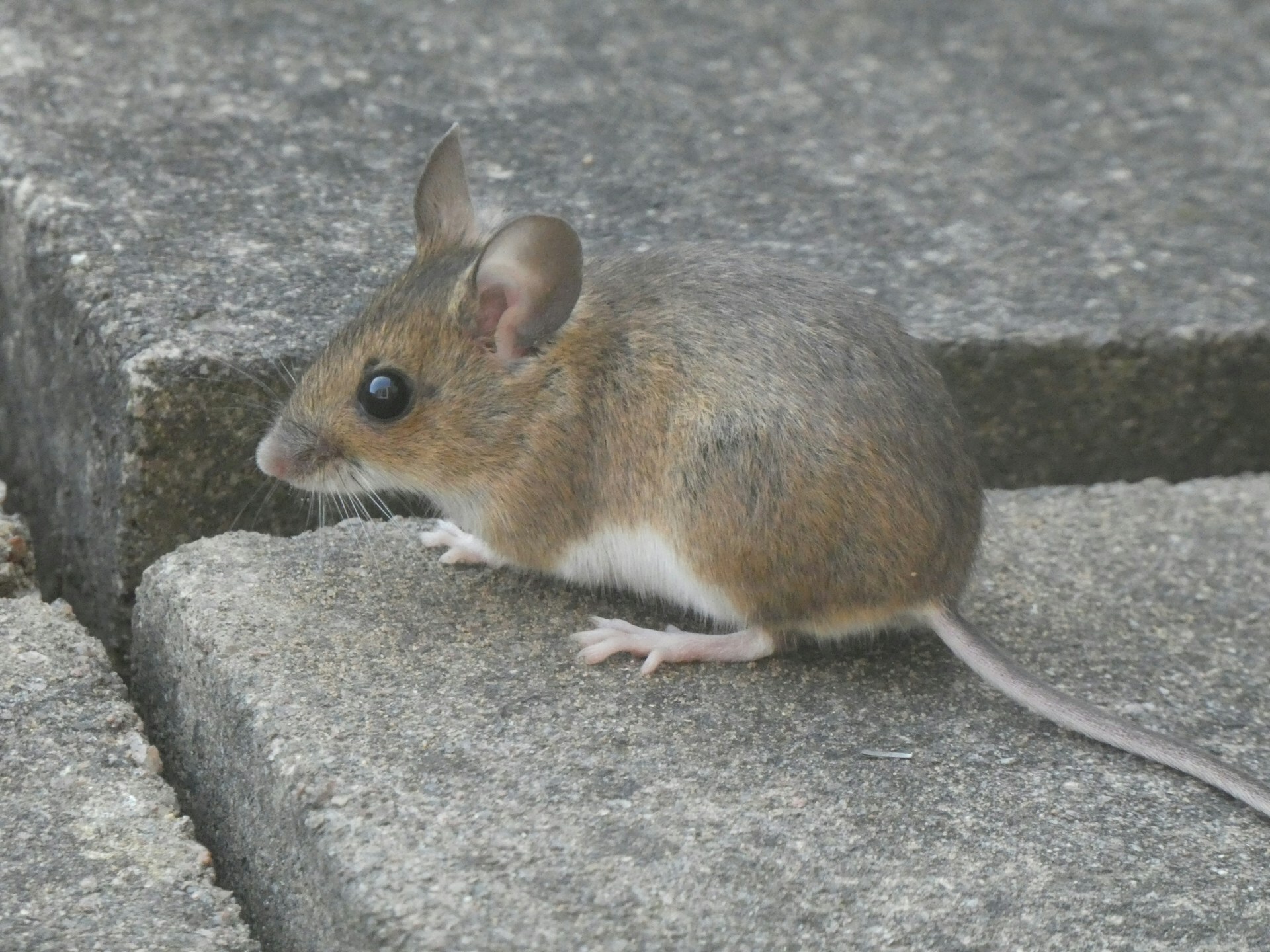
Droppings or Urine Marks
Mouse or rat droppings are an important warning sign. The CDC recommends regularly checking for droppings, gnaw marks, and other evidence of rodent activity.
Live or Dead Insects Near Windows
Many winter house bugs move toward warmth and light. Finding several insects around windows, doors, or light fixtures can be a sign that pests are hiding in walls, attics, or other nearby spaces.
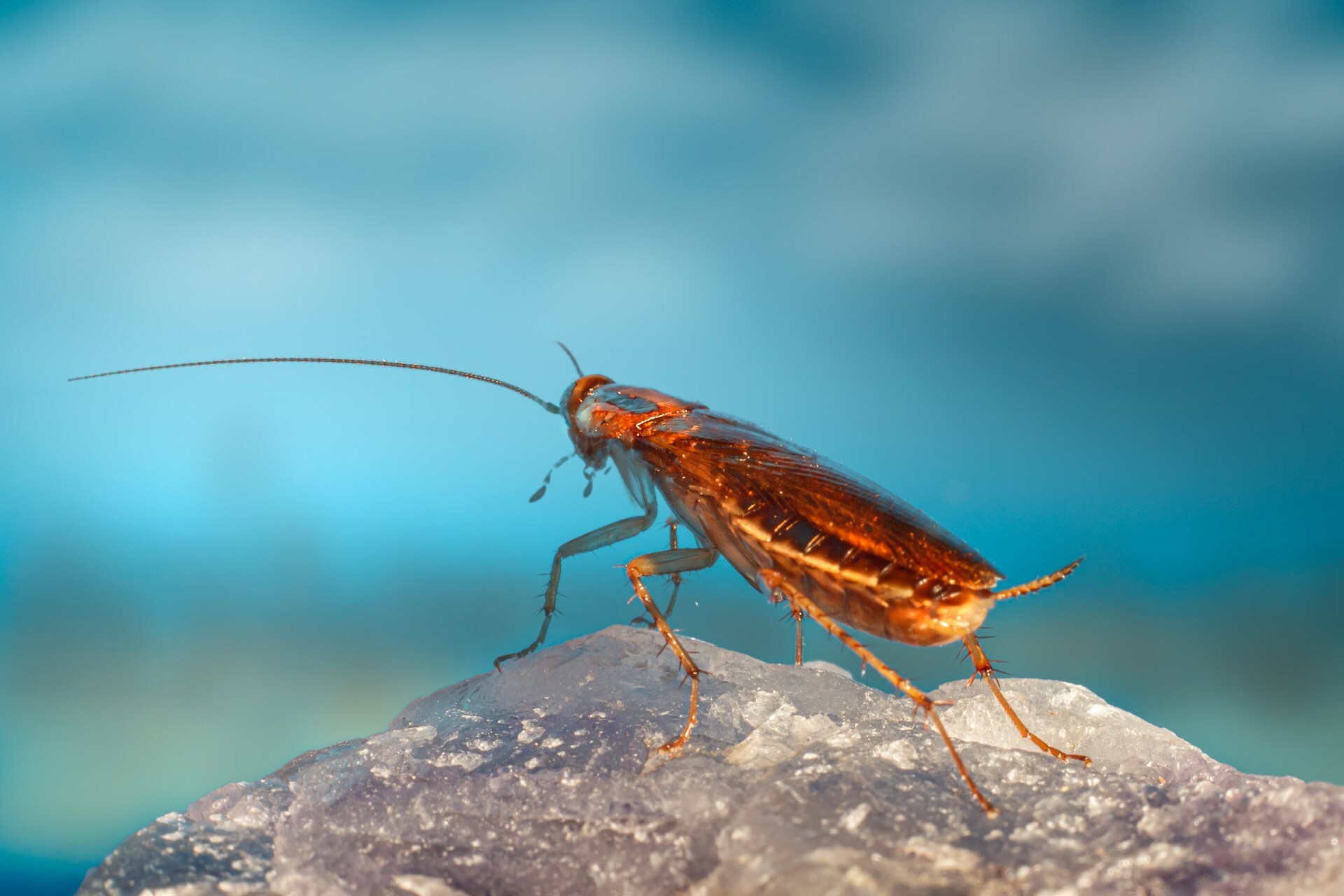
Roach Droppings or Egg Cases
Small dark droppings, shed skins, egg cases, or live cockroaches around appliances and cabinets may point to an infestation. These signs can help you choose a more targeted winter pest control treatment.
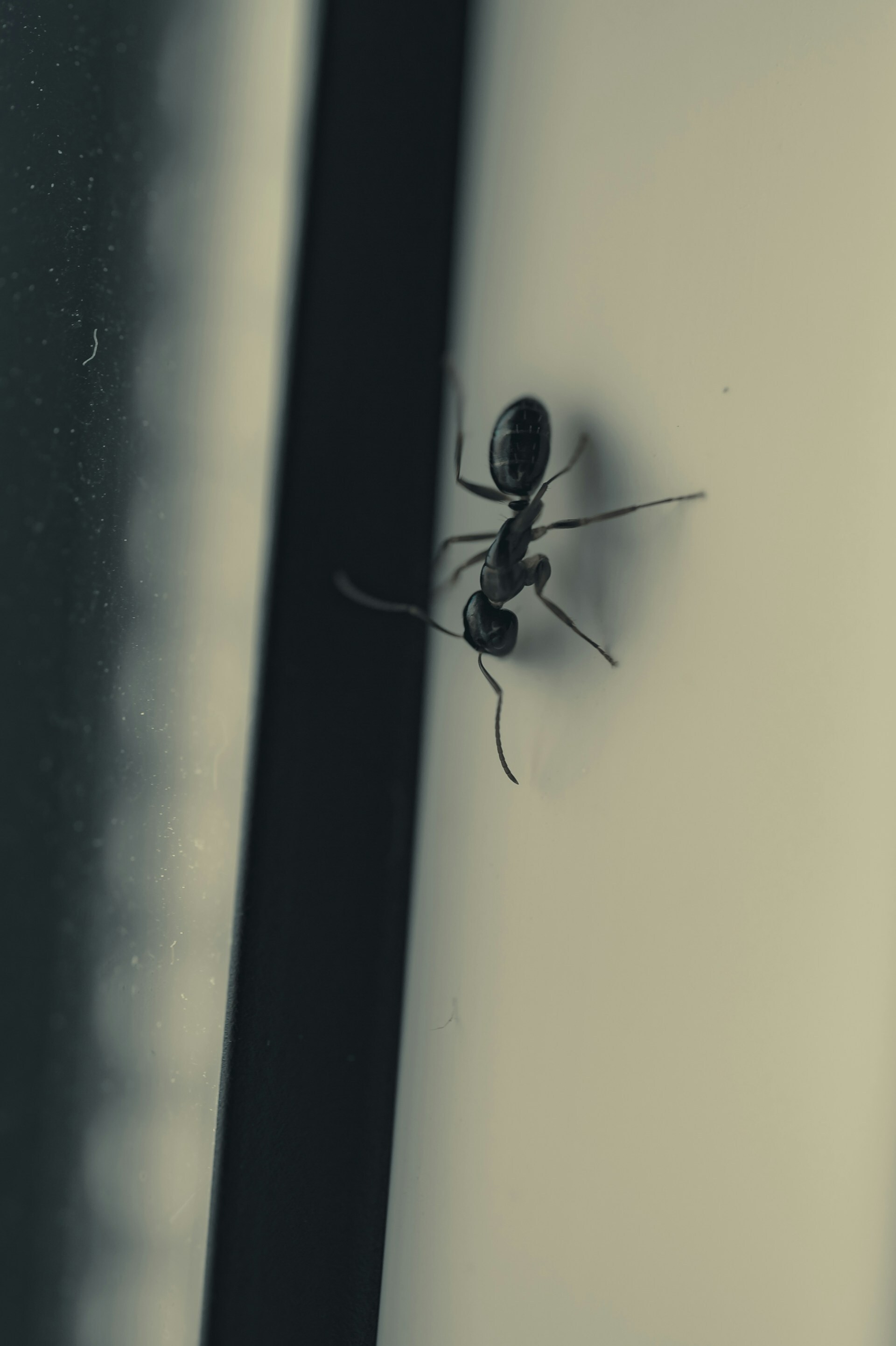
Ant Trails
A steady line of ants traveling toward food or water may lead you toward an entry point or nesting area. Follow the trail before placing bait or applying another treatment.
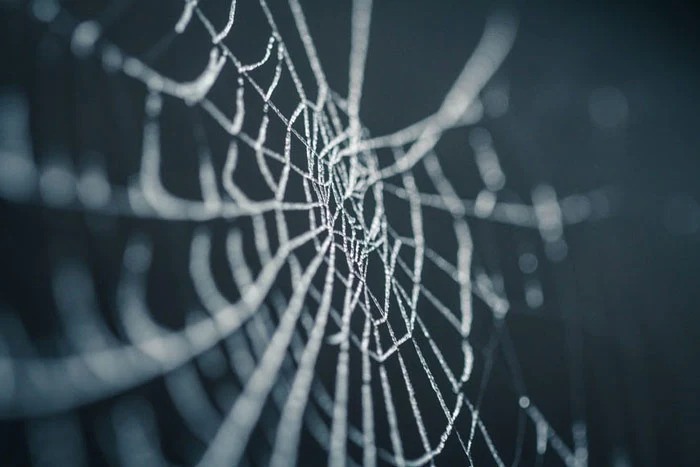
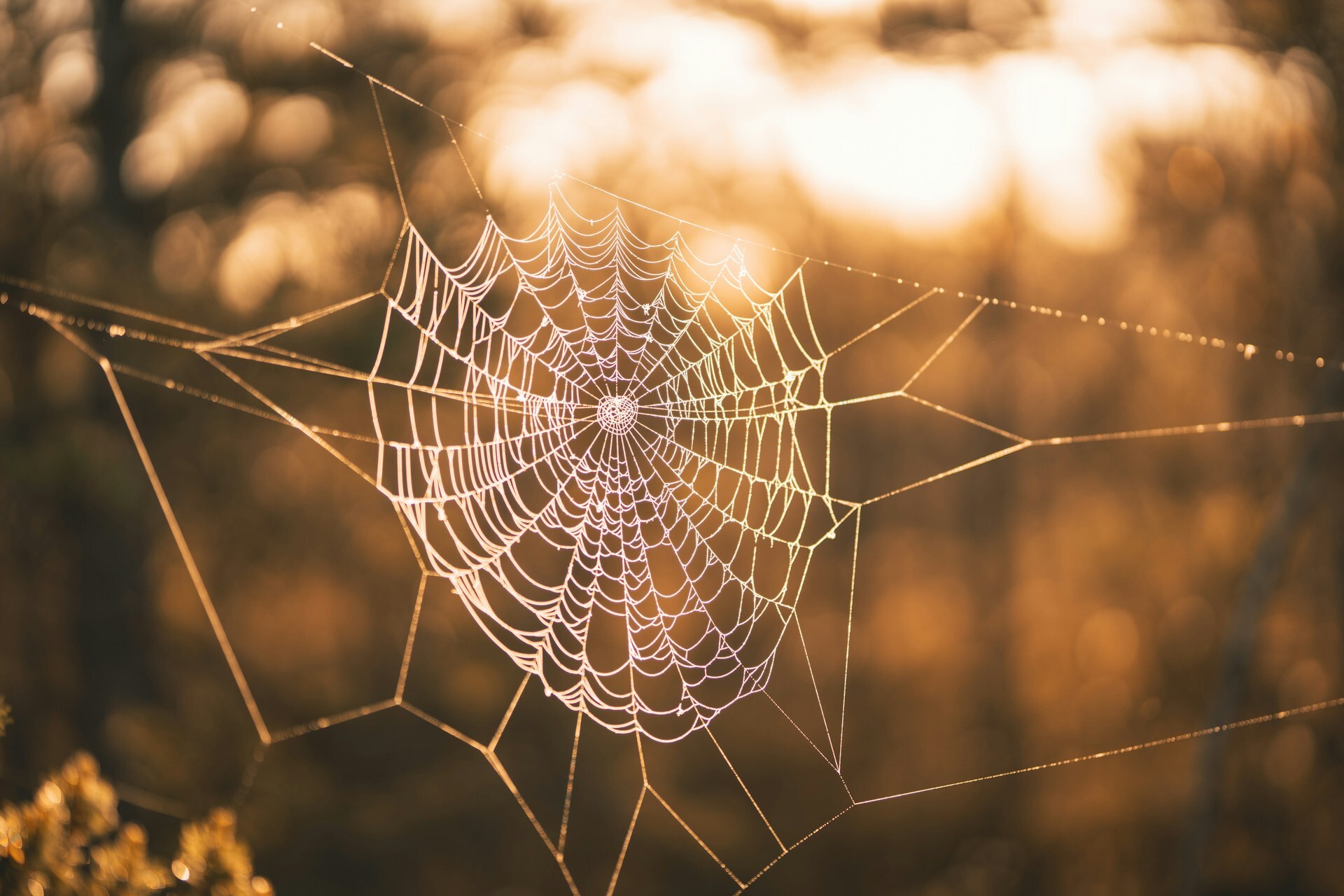
Webs & Spider Activity
Repeated webs in corners, basements, garages, or storage rooms can signal ongoing spider activity. Look closely for other insects that may be supporting the spider population.
Sounds In Walls or Attics
Scratching, squeaking, or movement at night can indicate rodents or wildlife. Inspect for droppings, nesting material, damaged insulation, and exterior openings before choosing a treatment.
Potential Hazards From Winter Bugs
Not every winter house bug creates a serious risk. Some are mainly a nuisance. Others can contaminate food, damage property, or create health concerns.
Food Contamination
Rodents and cockroaches can contaminate food, counters, cabinets, and storage areas. Store food in tightly closed containers and clean spills and crumbs as soon as possible.
Health Concerns
The CDC explains that rodents can carry diseases that may spread through droppings, urine, saliva, bites, or parasites they carry.
Do not sweep or vacuum dry rodent droppings without first following recommended cleanup steps. Proper cleanup is an important part of safe winter pest control.
Property Damage
Rodents can gnaw building materials and stored belongings. Termites can damage wood. Wildlife in attics or crawl spaces may also damage insulation and other materials.
Bites & Stings
Some spiders and other pests can bite when disturbed. Avoid handling unknown insects or spiders with bare hands. Correct identification helps you decide whether treatment is needed.
Pesticide Misuse
Pesticides can create unnecessary risks when used incorrectly. The U.S. Environmental Protection Agency recommends reading the pesticide label first and following all directions, precautions, application sites, and restrictions.
How To Eliminate Winter House Bugs
The best way to eliminate winter bugs is to identify the pest first. Then find where it is active and how it is getting inside. A good treatment plan may combine cleaning, exclusion, traps, baits, and insecticides.
1. Identify the PestDo not choose a pesticide based only on seeing a bug. Check its size, color, body shape, location, droppings, damage, and activity pattern. DIY Pest Warehouse offers pest identification and treatment guides to help you narrow down the problem before beginning winter pest control. |
 |