How to Get Rid of Wasps
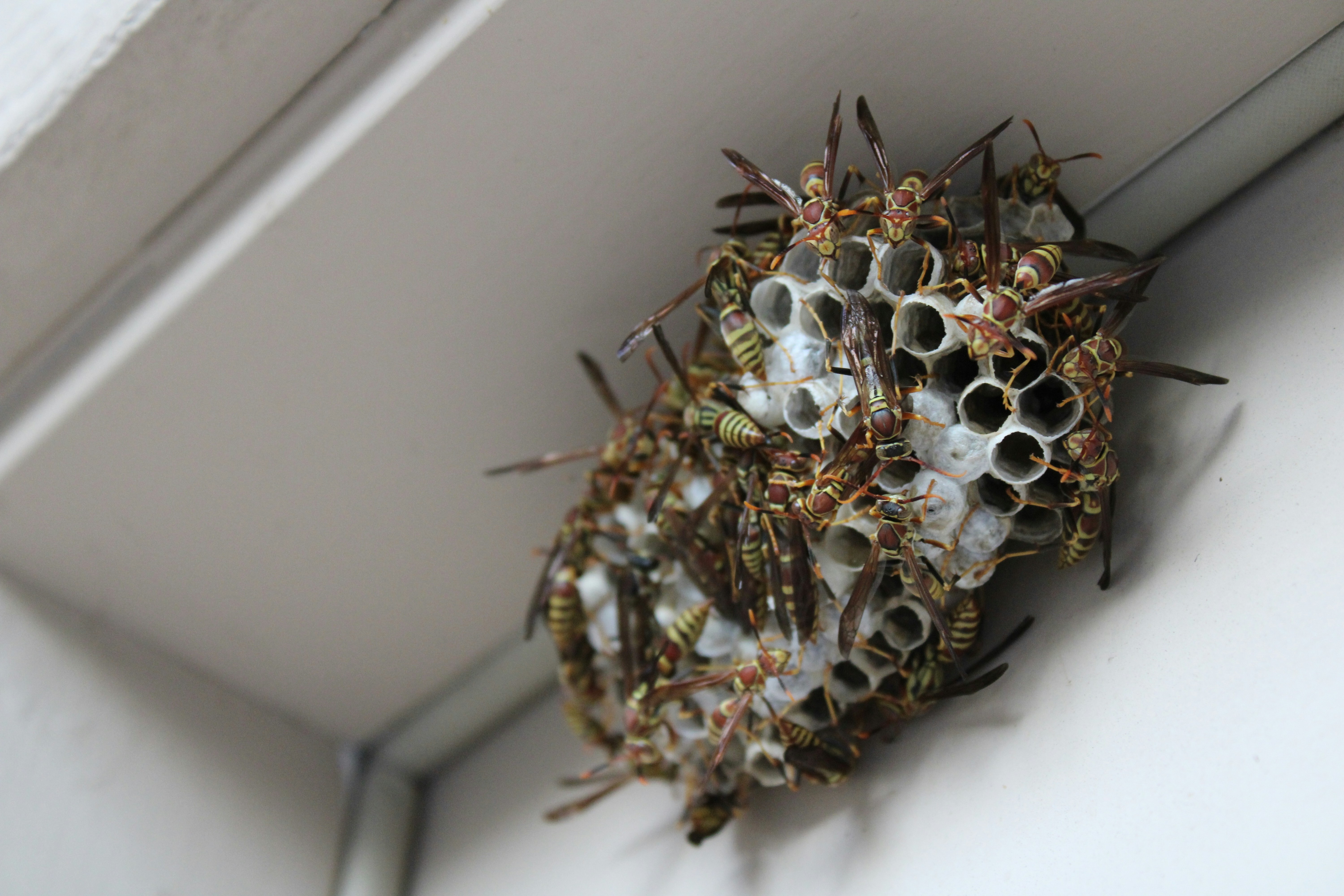
There are many types of wasps and hornets, which can be dangerous when they nest near or inside human habitats. Whether it's the yellow jackets, bald-faced hornets, ground hornets, or the common residential wasps, you should learn how to get rid of wasps if you find a nest nearby. Most of these stinging insects show up during the spring and summer months and can be a real nuisance because of their painful stings and nests that tend to build up quickly when it's warmer.
If left untreated, wasp and hornet nests can grow to become quite large and concerning, especially when you have young kids and pets around. To learn how to get rid of hornets and other stinging insects in and around your house, you need to act fast with the right pest control solutions, or else they will get worse over time. This hornet guide reviews ways to get rid of wasps, hornets, and stinging insects and will provide you with all the information you need to identify these pests, understand their behavior, and take steps to get rid of them. Read on now to answer the question how do you kill wasps?
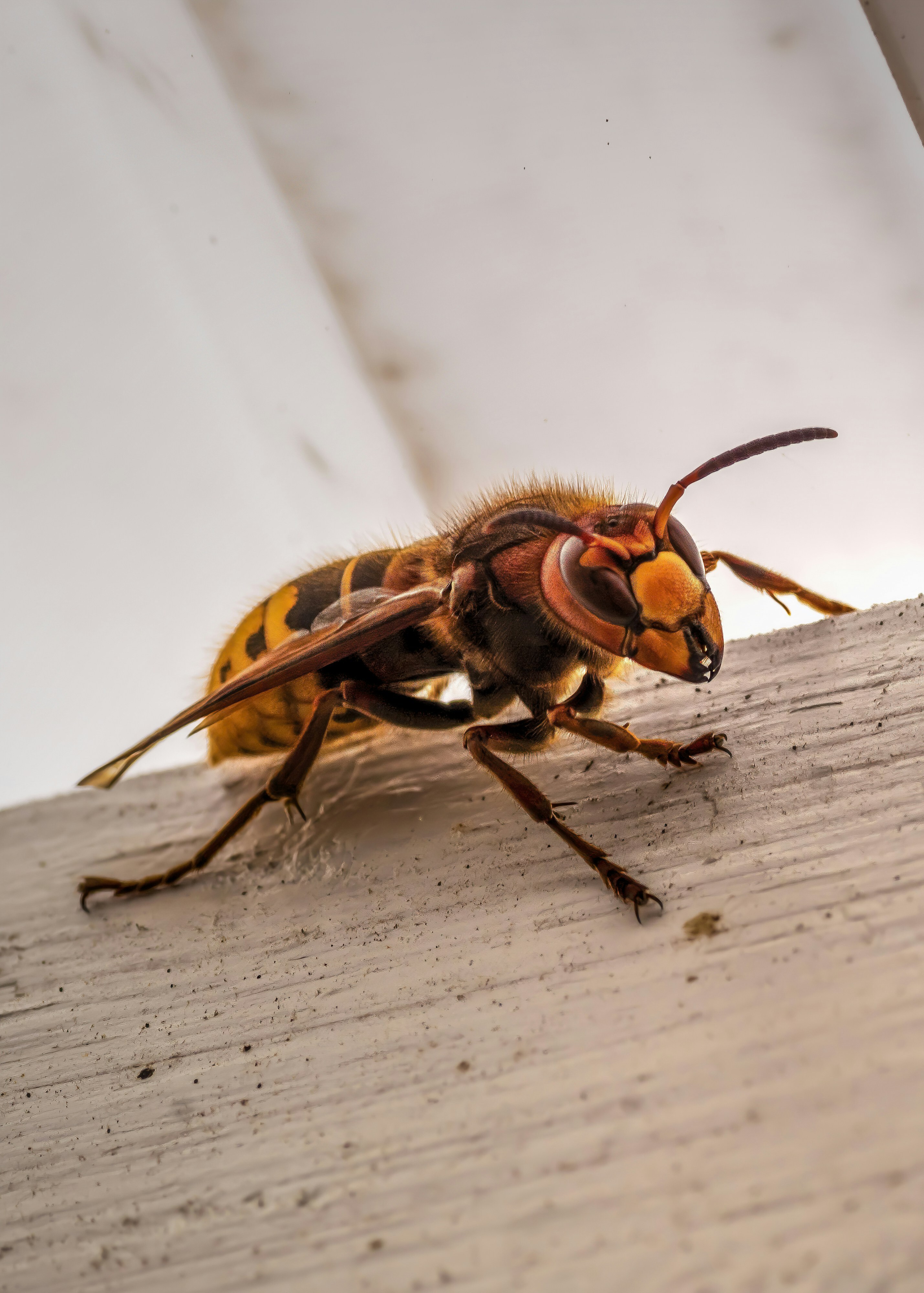
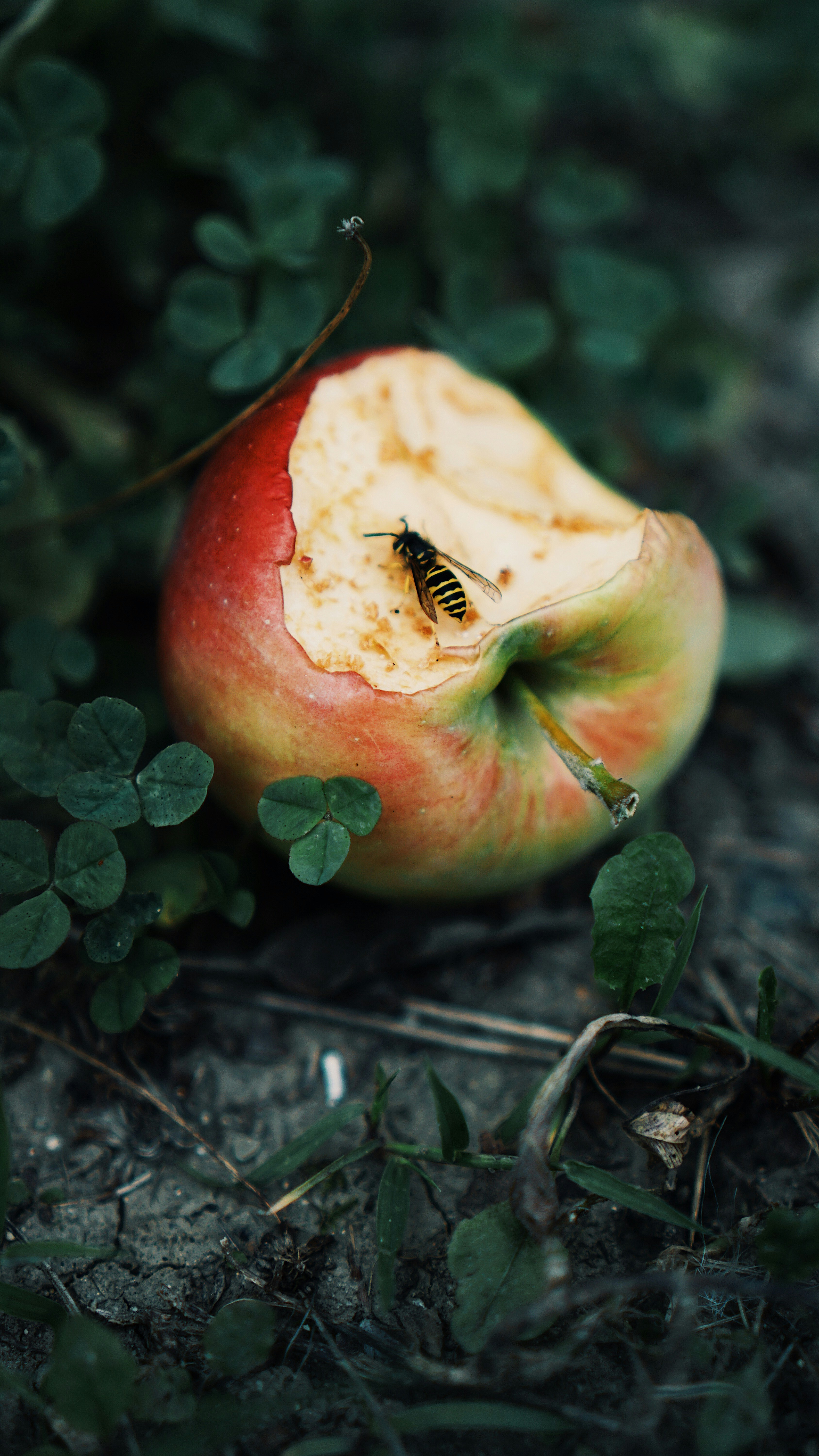
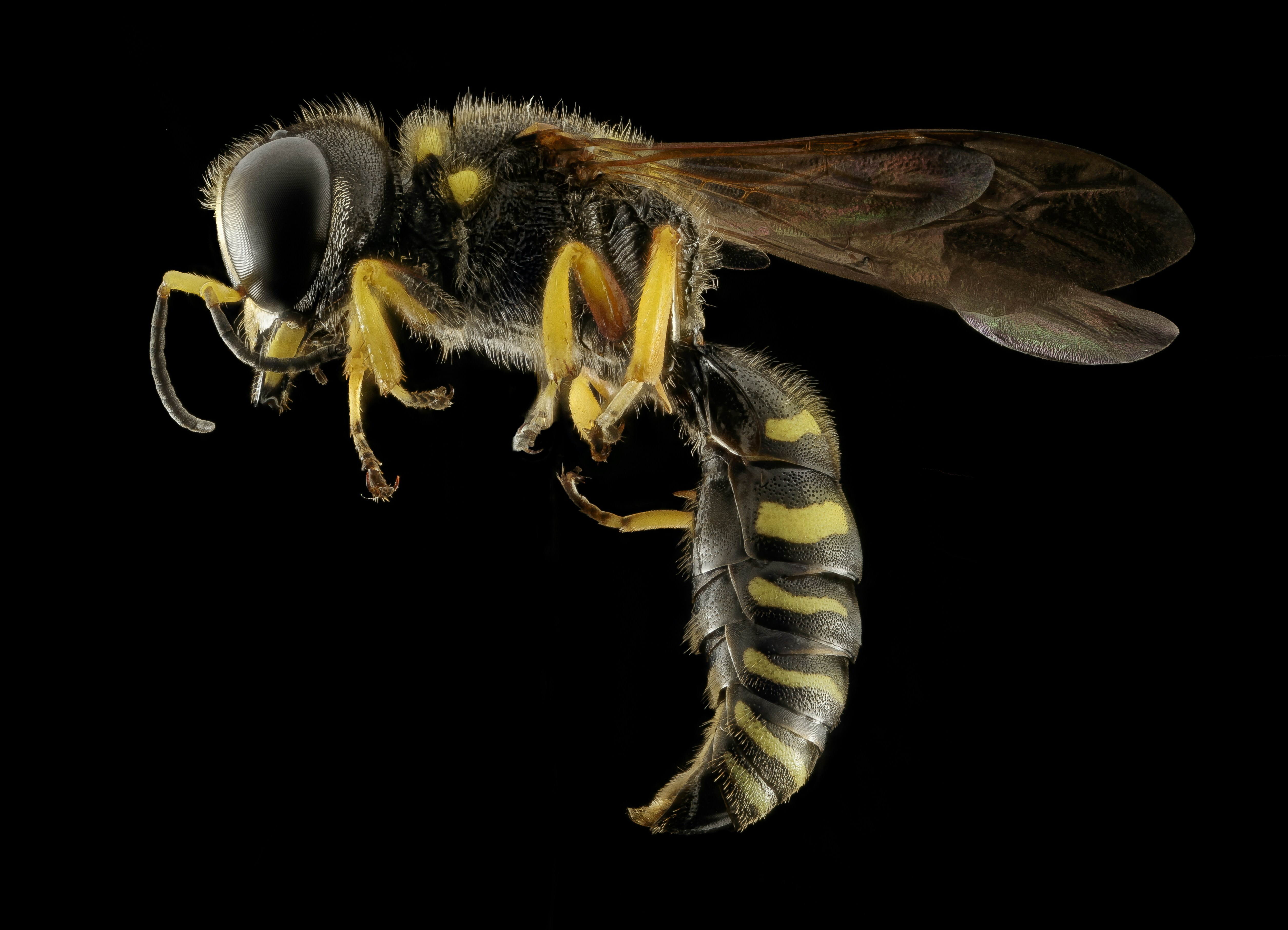
How to Identify Wasps & HornetsBefore we get into how to get rid of wasps or how do you kill hornets, it's important to understand that there are many types of wasps and hornets in North America, but they all have common features that can help you identify them. Adult wasps and hornets are generally about ½ inch to ⅝ inch long, with a thin waist and two pairs of wings. Depending on the species, they may be black, yellow, or brown. Most wasps and hornets have smooth stingers, but some have barbs on their stingers. This means the insect can't pull it out after stinging. Wasps and hornets are more aggressive than bees, especially when defending their nests or if you disturb a nest in your yard. They will chase you over long distances and can sting you multiple times. That's what you need to be serious about how to get rid of wasps. |
 |
 |
How Wasps & Hornets Get Into Your HomeWasps and hornets can get into your home through tiny gaps or cracks around window screens, doors, siding, utility pipes, behind chimneys, and underneath wood fascia boards. They will also enter via open windows or doors if you have a nest nearby. Wasps and hornets will often build nests around entrances to your home. They may also enter your home in search of food and water. Once inside, they are more likely to sting because they feel threatened in an enclosed space with people or pets moving around them. Wasps and hornets are also pests that seek shelter indoors during cooler months. They may gather around indoor lights at night or crawl under roof shingles to spend the winter in wall voids, attics, soffit areas, or chimneys. To avoid this risk, you need proven wasp pest control products that will help with how to get rid of wasps. |
Signs of Infestation
Before learning how to get rid of hornets, we should figure out if you have an issue in the first place. Some signs of an infestation include:
- Sightings: Seeing wasps and hornets around your property is a major sign of infestation, especially if you’re aware of any nests or hives.
- Wood Damage: You may not see any stinging insects, but they chew wood to create their nests, leaving craters in structures.
- Buzzing Noises: You’ll hear a wasp or a hornet before you see them. Consistent, loud buzzing is a major sign of infestation.
If you know you have an infestation, consider the hazards they pose before determining how to get rid of wasps or hornets.
Hazards of Wasps & Hornets
Wasp & Hornet Stings
For most people, wasp and hornet stings are nothing more than an annoyance. But for sensitive individuals who are allergic to the venom of these flying insects, a sting can be life-threatening. According to the CDC, there were 1,109 deaths resulting from wasp, hornet, and bee stings from 2000-2017, an annual average of 62 deaths. The risk can't be ignored when dealing with wasps and hornets.
Understanding the behavior of wasps and hornets is key before we get into how to get rid of wasps or yellow jacket extermination solutions. They all have one thing in common - they can be dangerous if provoked. So take these precautions:
- Don't try to swat at them - they will sting you if threatened
- Don't get too close - you could be mistaken for a threat
- Yellow jackets are more aggressive than other wasp species, so extra care should be taken when dealing with them.
- Yellow jackets will swarm and sting in defense of their nests, so staying away from active nests is important.
How to Get Rid of Wasps & HornetsReady for a step-by-step guide on how to get rid of hornets? Check out our top three products and learn how do you kill wasps and hornets:
You may also want to consider growth regulators that prevent wasps and hornets from reaching maturity and breeding. These products are the ideal solution for how to get rid of wasps when they’re in the breeding stage. |
 |
Prevention & Proofing
Now that you know how to get rid of hornets, it’s time to talk about prevention and proofing. Follow these steps so you don’t need to worry about how to get rid of wasps as often:
- Wasp Repelling Plants: If you have a garden, you may want to introduce insect-repelling plants like peppermint, citronella, spearmint, and lemongrass to keep wasps away.
- Minimize Meat & Fruit Waste: Wasps and hornets love meat and fruit. When throwing away your waste, make sure trash lids are completely secure.
- Fake Nests: Typically, hornets and wasps won’t invade another colony’s territory. Putting up fake hives can fool them into looking elsewhere.
- Seal Up Cracks: Keeping insects out of your home is all about sealing up entry points. Review your exterior for cracks and holes to prevent invasions inside.
How DIY Pest Warehouse Can Help
Hopefully, our hornet and wasp guide provided the insight you need to protect your home. However, DIY Pest Warehouse can do more to help!
We offer a variety of extermination products to help you learn how to get rid of wasps with ease. As a leading provider of DIY pest control solutions, we offer a wide range of pest control products, including highly effective wasp killer foams, foggers, and aerosols. We also provide reliable product support so you can be sure that you know exactly which solution is the one to answer your concerns of how do you kill wasps.
DIY Pest Warehouse even has a selection of useful guides, so you can read up on how to get rid of hornets, drain flies, roaches, and many other pests. Explore our expert advice on how do you kill hornets, so you can choose the best course of action to take when dealing with these pests. If you would like to talk to a real person, our customer service team is ready to assist you with choosing the best products and solutions for how to get rid of wasps.
Contact us today to learn more about our services, or place your order online now.