How Do You Kill Ants in the House
Ants are one of the smallest insects in the world, and as small as they come, we find them a nuisance when they are inside the home. The behavioral clues and biology of each ant species are unique because there are over 12,000 species worldwide!
Luckily, you don’t have to deal with all 12,000 species in North America. If you’re interested in DIY ant control, this ant guide is here for you. Follow along to learn more from the experts at DIY Pest Warehouse.

General Ant Info
Before we answer the question, “How do you kill ants in the house,” you must understand the type of ant infestations that could be affecting your home.
The top 10 ant species in North America include:
- Argentine Ants
- Carpenter Ants
- Crazy Ants
- Fire Ants
- Ghost Ants
- Little Black Ants
- Odorous House Ants
- Pavement Ants
- Pharaoh Ants
- White-Footed Ants
If you have an infestation, it’s likely one of these species. However, ants can be divided into two groups. Those with one node between their front and rear, and those with two nodes. Determining the type of ant infesting your space is essential to ensuring the best DIY ant extermination method.
Use the node method to determine which type of ant is in your space before moving on to how you kill ants in the house.
Signs of An Infestation
Wondering if ants are the problem in your home? Check out these signs of an infestation for indoor and outdoor spaces.
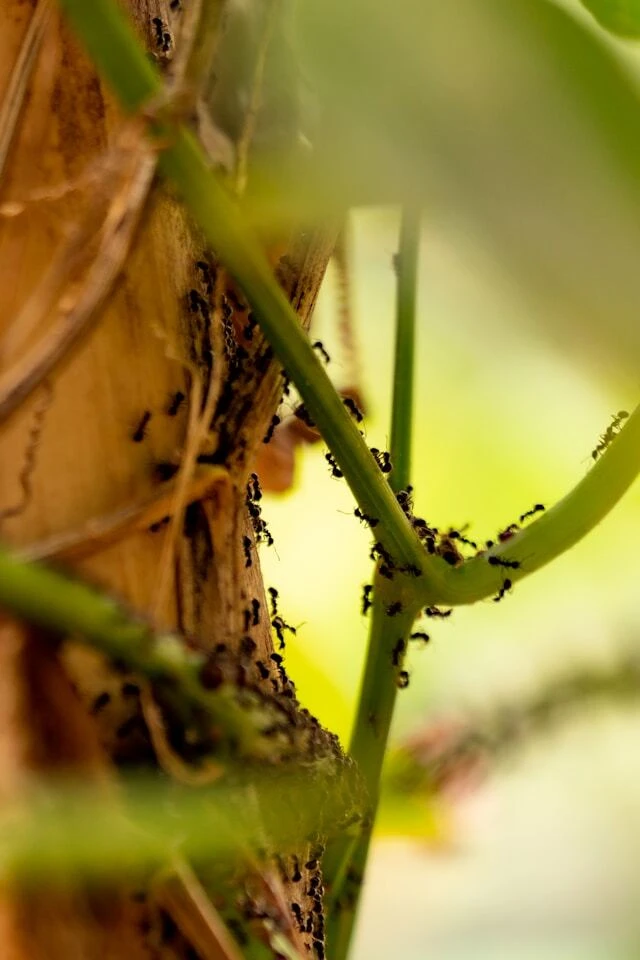
Inside InfestationThere are a few signs that you need to conduct some DIY ant control, including ant trails. Here are some of the most common places you’ll find trails:
Checking in these areas can help you find an ant trail that will lead to the colony. Usually, ants will travel from the wall voids and cracks in the walls to move around. |
 |
 |
Outside InfestationAs for outdoor ant control, there are many peripheral areas you should be checking, including:
|
Potential Hazards
So why are ant infestations such a big deal? What’s so dangerous about them? How do you kill ants in the house to prevent issues? Here are a few of the biggest problems ants can cause:
- Contamination: Ants can carry bacteria, pathogens, and allergens everywhere they go. A big reason for DIY ant extermination is to prevent ants from infecting your food sources and general living space. Ant infestations can cause foodborne illnesses, allergic reactions, and painful bites or stings.
- Structural Damage: Ants may seem small, but they are large in number, making structural damage from their behaviors a real problem. Some species of ants may burrow through wood, while others can excavate tunnels in moist building materials. When given enough time, an ant infestation can compromise the structural integrity of your home.
- Fire Hazards: Because ants usually seek warmth and shelter, they often end up near the electrical systems of your home. Ant presence in these areas can lead to malfunctions, short circuits, and even complete system failure. Even worse, ants can chew through live wires, increasing the risk of electrical fires.
- Garden Damage: Ant species can do more than simply munch on a few leaves in your garden – they can actually disrupt the entire ecosystem if you don’t know how to kill ants in the home. Ants can protect aphids that damage plants, and they disrupt the soil, affecting water and nutrient drainage.
Elimination Steps | DIY Ant Extermination
There are a variety of different techniques for DIY ant control. Check out this portion of the ant guide for an overview of the most common methods and the most effective products:
With Bait
- Set ant bait or gel to attract ants
- Do not disturb any ant trails
- Give the ants plenty of time to bring the poison in the bait back to the colony
- Once you notice fewer ants, start practicing prevention and proofing
With Non-Repellent Insecticide
- Inspect your property for ant entry points
- Spray cracks, voids, and thresholds with insecticide
- Wait until the ants come in contact and spread the insecticide among their colony
Non-repellent insecticides operate in two ways: First, they don’t kill on contact, allowing infected ants to spread the insecticide far and wide. Second, ants don’t know they’re carrying these granules, ensuring they continue on with their regular routine.
With Insecticide
- Dilute your contact insecticide with water
- Spray it around entrances and exits, as well as the perimeter of your home
- If you continue seeing ants, treat every three weeks
The best way to figure out how you kill ants in the house is to use a combination of these strategies. You can even add a growth regulator to target ants in the earlier stages of their life cycle.
Preventing & Proofing
Once you’ve successfully implemented a DIY ant extermination routine, it’s time to prevent future infestations. Make sure to implement these DIY ant control best practices:
- Seal cracks and crevices
- Clean up excess landscaping materials and debris
- Store firewood and gardening tools far from the main structure of your home
- Keep food areas clean, wiping spills and ensuring pantry food is sealed
- Use garbage cans with lids
- Wash pet bowls daily
- Check and repair leaks as soon as possible
- Dehumidify basements and attics
You can also schedule professional inspections to spot future infestation hazards.
Final Ant Guide Tips
Now that you know how to kill ants in the home, you’re better prepared for most types of infestations. You may want to increase your inspections during spring and summer, as ants are more active during these times.
Have more questions? Our team is here to help! Reach out to our knowledgeable experts for personalized guidance and support.