How Do You Kill Spiders
Spiders are vital for ecological balance as they control insect populations, yet their presence in homes often causes fear and discomfort for many people. So how do you kill spiders? First, it’s vital to recognize that spiders are arachnids, not insects, which is why conventional insecticides often fail to eliminate them.
This guide will explore the different types of spiders you can expect in your home, signs of infestation, potential hazards, and advice on elimination, prevention, and proofing. Keep reading to learn how to get rid of spiders in your house.
Types of Spiders
Several spider species frequently inhabit indoor and outdoor spaces, each with distinct traits. Oftentimes, knowing what type of arachnid is in your home can help with getting rid of spiders most efficiently.
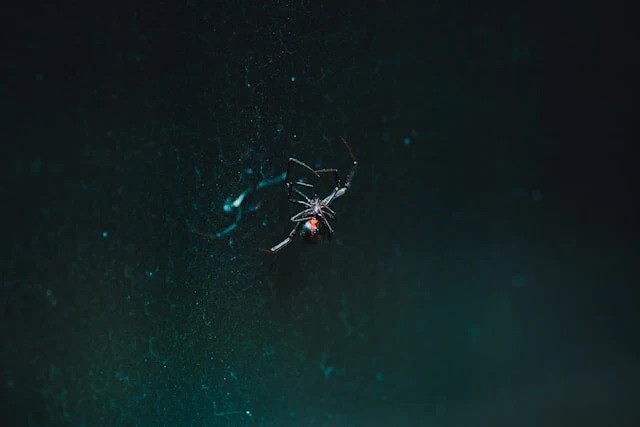
Black Widow SpidersThese spiders are easily identified by their lustrous black bodies and the iconic red hourglass marking. They favor dim, undisturbed environments such as basements and sheds. Brown Recluse SpidersSporting a characteristic violin-shaped marking on their backs, they’re often found in secluded indoor areas, such as closets or attics. House SpidersKnown for their diminutive, brown bodies, they often construct cobwebs in neglected corners of rooms. |
 |
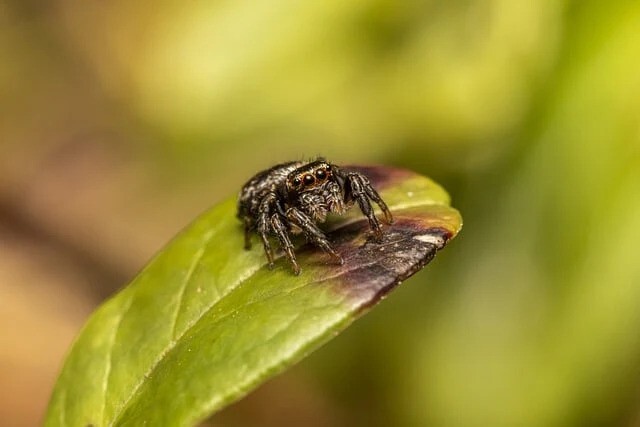 |
Jumping SpidersWith superior vision and unique leaping movements, these spiders usually reside near windows where they can hunt for prey. Long-Bodied Cellar Spiders (Daddy-long-legs)Characterized by their exceptionally long legs, they are prevalent in damp areas like basements. Wolf SpidersRecognizable by their sturdy build and swift movements, they’re ground dwellers who seldom create webs. |
Knowing these details is crucial to identifying and understanding how you can kill the spiders in your space.
Spider Lifecycle & Behavior
Spiders lay eggs that are encased in a protective silk sac, with the number of eggs varying by species. Typically, eggs hatch in about two weeks, meaning you have time to find them and figure out how to kill the spiders before they begin spreading. Most spiders stay within the sac until their first molt, approximately one month after being laid, at which point they chew through the sac wall.
If you’re seeing a surge in spiders, it’s usually directly after they exit the sac, as this is when they start to disperse around toward new destinations. At this point, knowing the best way to get rid of spiders in the house before they multiply is essential.
Most spiders will molt a few more times before reaching maturity. However, each species has a different life span, averaging between one and two years.
Habitats & What They Feed On
Spiders thrive in areas of the home that offer food and shelter, such as basements, attics, and humid corners. These are places with the perfect conditions for web construction and prey capture. They feed mainly on insects and other small arthropods, serving as predators that control pest populations. Other areas that may attract spiders include gardens, lawns, and well-lit patio corners with abundant insect activity.
Signs of Infestation
Do you even need to know how do you kill spiders? Is your home affected? Find out with these telltale signs:
- An increase in spider webs around the home. Look at ceilings and closet corners, as well as under and around furniture.
- Actual spider sightings. They may be hanging out in their webs, scurrying across floors, or hanging out among your clothes.
- While it’s harder to spot spider sacs, if you see them, you likely have an infestation. Sacs must be carefully removed due to their resilience.
- Marks on walls and floors. Spiders frequently leave subtle streaks and marks around your home from web residue.
- Holes in furniture and fabrics. Spiders will eat textiles when their food is scarce. Look for holes in clothing, couches, and rugs.
- Odd odors. Spiders leave behind pheromones to mark their territory and communicate. You need to consider getting rid of spiders if you notice frequent musky odors.
- Spider bites on yourself or loved ones. Most spider bites aren’t harmful, but they can cause distinctive reactions, such as redness and swelling.
Have you noticed any of these signs? Do you see more than one of these signs? Keep reading this spider guide to learn how to get rid of spiders in your house.
Hazards of Dealing with Spiders
In many cases, spiders in your home aren’t harmful. In fact, they can help control other insect populations, such as mosquitoes and flies, without you having to lift a finger. However, there are some hazards that may urge you to explore how do you kills spiders, including:
- Venomous Bites: Brown recluse and black widow bites are dangerous enough to cause serious medical concerns.
- System Disruption: Spiders can get into every nook and cranny, eventually disrupting pipes and HVAC systems.
- Signs of Other Pests: Spiders only settle in and thrive when there are other pests to serve as a food source. A large number of spiders means you have other infestations.
Getting rid of spiders can mitigate bites and property damage, while also eradicating roaches, ants, carpet beetles, and more.
Effective DIY Spider Control Methods
Effectively managing spider populations requires a comprehensive approach combining integrated pest control techniques and ongoing preventive measures. It is essential to learn how do you kill spiders to manage existing infestations promptly. Here are some tips on the best ways to get rid of spiders in a house.
|
 |
DIY pest control is the best answer to how do you kill spiders. Some of our top products for spider control include:
Please review our product guides to determine the best option for your situation.
Prevention & Proofing Against Spiders
The best way to get rid of spiders in a house isn’t always just answering the question of how do you kill spiders. You also need to be aware of prevention and proofing to minimize future infestations and additional work. Check out these recommendations for getting rid of spiders for the long-term:
- Dust Regularly: Dusty areas are typically lower-traffic locations that make ideal places for spiders to build webs.
- Place Lights More Strategically: Lights attract insects, which in turn attract spiders. Be careful where you place light fixtures and how long they’re on to reduce your insect population.
- Seal Entry Points: Inspect and seal any cracks or gaps where spiders might enter your home, such as around windows, doors, and foundational areas.
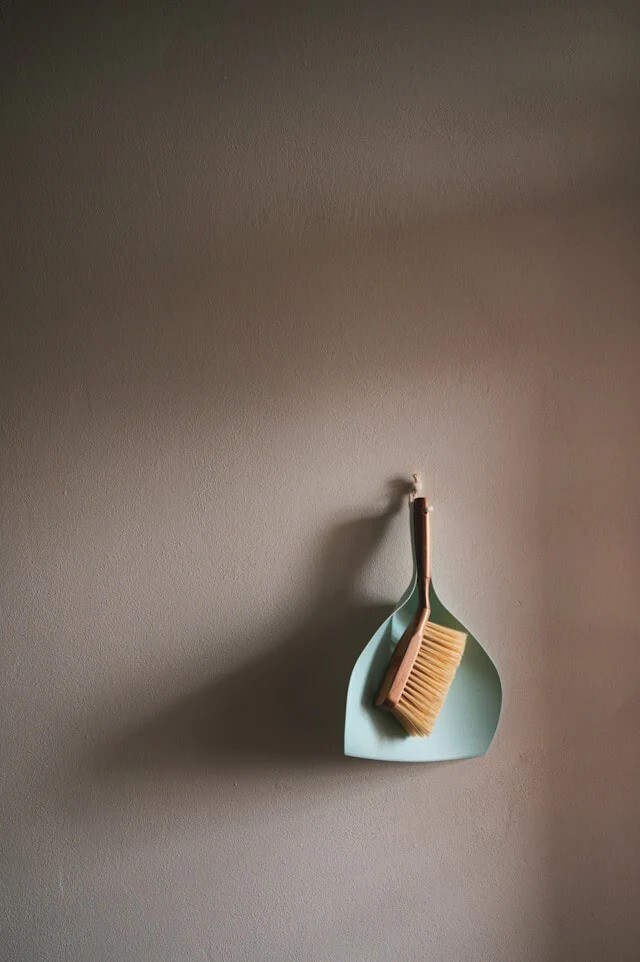
As part of learning how do you kill spiders, regular cleaning routines are a must to help eliminate potential attractants and make your home less appealing to spiders. Dusting, cleaning, and using dehumidifiers to lower moisture levels create an inhospitable environment for spiders.
How DIY Pest Warehouse Can Help
If you’re still wondering how to get rid of spiders in your house, DIY Pest Warehouse offers a wide selection of products specifically developed for spider extermination. These products often provide a convenient and cost-efficient alternative to professional pest control services. With our comprehensive customer support and educational resources, homeowners are empowered to address spider issues effectively. Explore our pest guides to learn more about the best way to get rid of spiders in your house.