
Do Mouse Traps Work?
Posted by Arish Aziz on May 12th 2026
Key Takeaways
- There are many types of mousetraps, all considered effective for getting rid of rodents depending on your situation.
- Infestation levels, rodent intelligence, and location of the nests can help determine the type of trap you need and where to place the traps.
- Depending on your situation, you can explore the efficacy of snap traps, glue boards, electronic traps, or live release traps.
Are Mouse Traps Effective?
Do mouse traps work? Mouse traps are highly effective in trapping and sometimes killing mice. However, they’re often used in conjunction with poison and repellents to ensure a successful eradication of the infestation. If you’re interested in which type of trap to use and where you should place your traps, DIY Pest Warehouse has the answers.
Read on here for an overview of different kinds of traps and how to ensure success when using them in and around your home.
Types of Traps
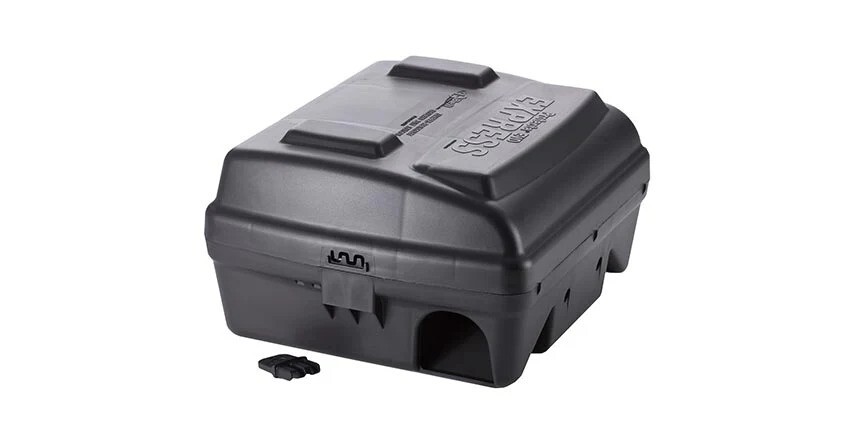
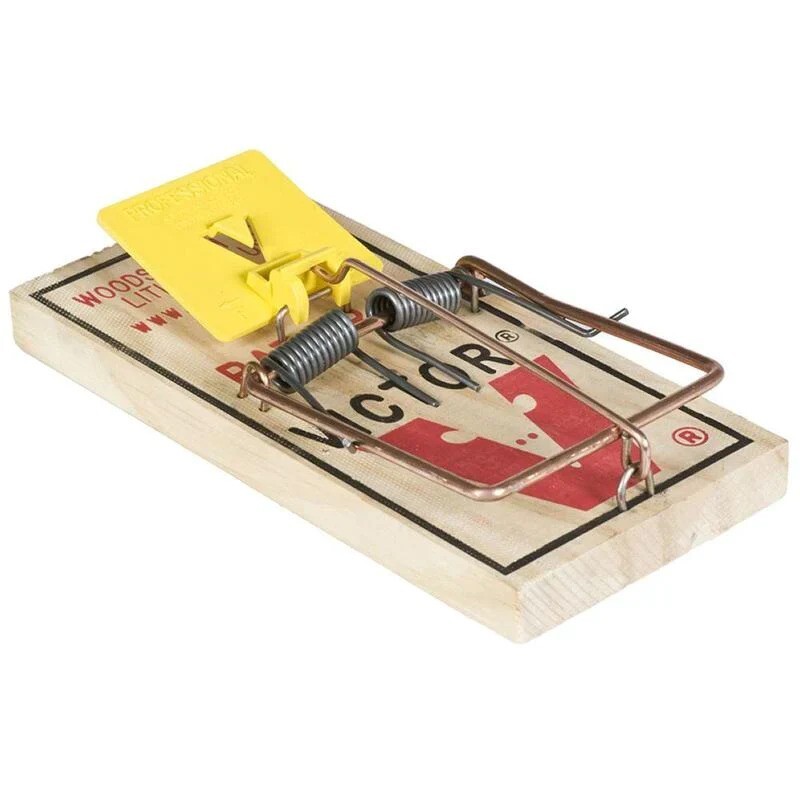
Each type of trap has pros and cons that can help you determine if it’s ideal for your needs. Find out what mouse traps do work for you with this review:
- Snap Traps: A board with a pressure plate that activates when enough weight is on it. The trap has a hinged, spring-loaded bar that snaps shut on anything on the pressure plate. Requires bait and careful setup, as the spring-loaded bar is easily triggered.
- Glue Boards: A simple board with a non-toxic adhesive, this type of trap glues rodents in place, where they often starve to death. You can dispose of these single-use traps without touching the rodent, but you may find kids and pets stuck in them.
- Electric Traps: A box with a small hole lures mice inside and delivers a burst of electricity that instantly kills the rodent. These mouse traps do work very humanely, as the rodent doesn’t struggle or die slowly.
- Live-Release Traps: The most humane of traps, these can range in configuration from cages to buckets. They lure the rodent in with bait and trap them until you can find a place to release them. Some live-release traps can hold 10+ mice before it’s time to reset them.
Ensure Success
If you want your rodent strategy to be as successful as possible, you need to consider placement, the number of traps necessary, bait, and scent.
Placement
To ensure that your mouse traps do work, you’ll want to place them along walls and near egress points where mice come in and out of your home.
Amount
Use multiple traps in each location to maximize success and trap more than one rodent at a time before resetting the area with new traps.
Bait
The best bait for snap traps, electronic traps, or live-release traps includes peanut butter, bacon grease, and hazelnut spread. You don’t want to use any bait that requires refrigeration, as rodents will avoid it once it goes bad.
Scent
There is some debate about whether human scent deters rodents from approaching your traps. To be safe, wear gloves when setting and placing traps.
Why Traps May Not Be Working
Do mouse traps work? Sometimes not! These are the most common reasons for failure:
- Too many rodents for the traps to catch. High infestation levels definitely require fogging and poisons to handle the volume.
- The mice are too smart. If you regularly use the same traps, mice may learn to avoid them.
- Improper placement. Traps in areas with low rodent activity or away from walls won’t be effective.
Trust the Experts
Now that you know that mouse traps are effective, you can use them as a layer of defense to keep your home and exterior areas free of rodents all year round. Learn more about deterrents for every season when you browse our blog today.