How to Get Rid of Termites: 4 Effective Solutions
Posted by Jerry Wang on Aug 13th 2024
Key Takeaways
- Termites can cause serious structural damage to your home if they are not detected and treated early.
- Identifying the termite species is important because different types require different treatment methods.
- Liquid termiticides, bait stations, natural remedies, and preventive steps can all help control and eliminate infestations.
- Ongoing maintenance and moisture control are essential for keeping termites away long-term.
Termites can be a quiet intruder, slowly munching away at every wooden structure in and outside your home. Without early detection and control, a termite infestation can result in very costly damage. To responsibly protect your home, you should first understand the potential damage they can cause, the signs of infestation, and why identifying various termite species matters. Then, we’ll share more insights on how to get rid of termites and keep them away from your home.
Understanding Termites
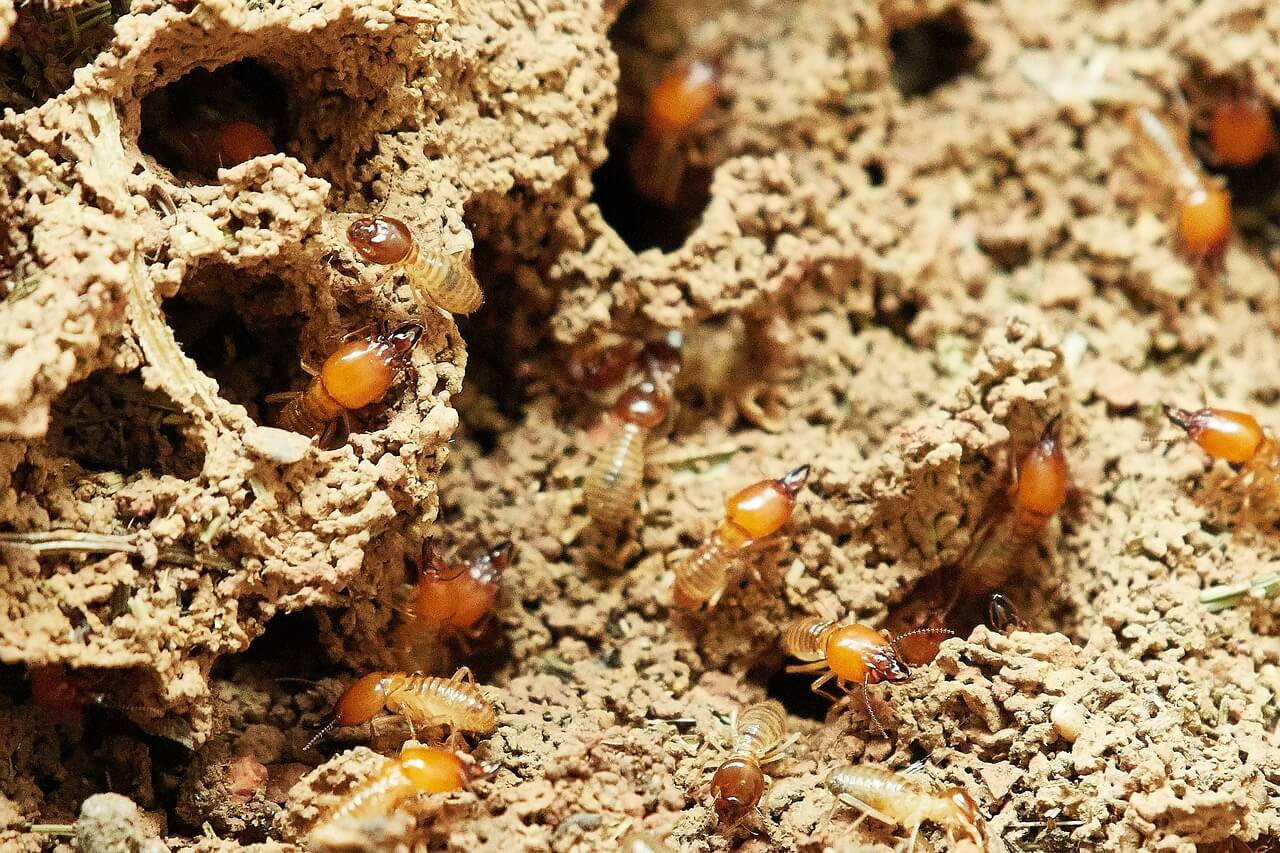
Termites are small, wood-eating insects classified into different types, with subterranean, drywood, and dampwood termites being the most common culprits. Subterranean termites thrive in moist environments and build extensive underground colonies. Drywood termites, on the other hand, do not require moisture from the soil and infest various parts of a home. Dampwood termites, as their name suggests, prefer spoiled wood, usually found in decaying, moist wood areas.
Termites feed on cellulose. Cellulose is found in wood, paper, cardboard, and some fabrics. This is why termites can damage more than just support beams. They may also attack flooring, cabinets, drywall, and even books.
A colony can contain thousands or even millions of termites. The queen can live for many years and lay eggs daily. As a result, an infestation can grow quickly if it is not treated once it’s discovered. Learning how to keep termites away before they spread can help protect your home from serious damage.
Common Signs of a Termite Infestation
Identifying a termite invasion early can save you from significant expenses. Mud tubes creeping across your foundation or near piles of wood outside your home, discarded wings from swarming activity, and hollow-sounding wood can all serve as warning signs of an infestation. Before learning how to get rid of termites, these subtle yet revealing clues should prompt you to investigate further.
Other signs to watch for include:
- Bubbling or peeling paint that looks like water damage
- Tight-fitting doors or windows
- Small holes in the drywall
- Frass, which looks like tiny wood-colored pellets
If you notice any of these signs, act quickly. The longer termites stay active, the more damage they cause.
Importance of Identifying the Termite Species
Understanding the specific species affecting your home is critical for successful eradication and prevention measures. Different species require different treatment strategies, and misidentifying them can lead to ineffective attempts to remove them.
For example:
- Subterranean termites often require soil treatments and barrier protection.
- Drywood termites may need spot treatments or direct wood applications.
- Dampwood termites often require moisture control along with treatment.
Correct identification helps you choose the right product and method. If you are unsure, our team at DIY Pest Warehouse can help guide you to the right solution.
DIY Termite Control Methods
So, how do you tackle these unwelcome house guests on your own? Here are some DIY methods to consider:
1. Chemical Treatments
One of the most effective tips on how to get rid of termites is to apply liquid termiticides to create a barrier around your home. These chemicals work by infiltrating termite exoskeletons, disrupting the nervous system, and causing extermination. Spot treatments for infested areas improve effectiveness and provide immediate results. Choose products with active ingredients such as fipronil and imidacloprid for reliable control. Follow the manufacturer’s application guidelines to ensure maximum safety and impact, especially when addressing large infestations or hard-to-reach areas.
Many homeowners choose professional-grade products like Talstar P for perimeter pest control. While Talstar P is commonly used for general insects, pairing a strong perimeter treatment with a termite-specific product adds extra protection.
2. Installing Bait Stations
Bait stations lure termites with poisoned food, disrupting entire colonies. These stations, placed along termite pathways, offer an eco-friendly option with long-term efficacy. Bait stations are an effective solution for those wondering how to get rid of termites. While slower than chemicals, they reduce environmental harm and target the entire colony through carefully placed traps. Regular monitoring and maintenance of these stations ensures they remain effective over time, gradually reducing the termite population.
Baiting systems work especially well for subterranean termites. Worker termites carry the bait back to the colony. This spreads the active ingredient to other members, including the queen. Over time, the colony collapses.
3. Applying Natural Remedies
Opt for natural alternatives like neem oil and orange oil. Neem oil disrupts termites’ hormonal balance, repelling them from treated areas. Orange oil, which is lethal on contact, damages termite cell membranes. Best for small infestations, these solutions provide a chemical-free approach with varying degrees of success. Persistence and frequent application can improve outcomes, but may require combining other methods and tips on how to get rid of termites for broader effectiveness.
Natural remedies are usually best for minor or localized issues. Large infestations often require stronger, professional-grade products for full control.
4. Implementing Preventive Measures

Preventive strategies are crucial. Regularly inspect for moisture, fix leaks, and maintain gutters. Avoid direct wood-to-soil contact and use pressure-treated wood in outdoor structures. Vigilant home maintenance effectively deters termite invasions and protects your property. Strategically employing multiple deterrents as layered defenses helps protect your home against future infestations.
Additional prevention tips include:
- Keep firewood stored away from your home
- Seal cracks in your foundation
- Ensure proper drainage around your property
- Schedule routine inspections
Termite control is not just about removal. It is about long-term protection.
When to Act Fast
If you see active swarms inside your home, large mud tube systems, or major wood damage, act right away. Severe infestations may require combining liquid treatments and bait systems. Acting early saves money and protects your home’s structure. It also gives you a better chance to learn how to keep termites away long-term instead of dealing with repeat infestations.
Shop Termite Control Products at DIY Pest Warehouse
DIY termite control can be highly effective when you use the proper products and follow the correct steps. Many professionals purchase their chemicals from DIY Pest Warehouse because our prices are lower than those of many commercial suppliers. That means you get trusted, professional products at affordable prices.
At DIY Pest Warehouse, we make it easy for you to find reliable and cost-effective DIY termite control products that professionals trust. If you have more questions on how to get rid of termites and how to keep termites away from your home, feel free to contact our industry experts. Shop now and enjoy reliable product support.